


Salyr

Dec 21, 2025
4 min read
Written by Kranthi Kiran Parlapalli
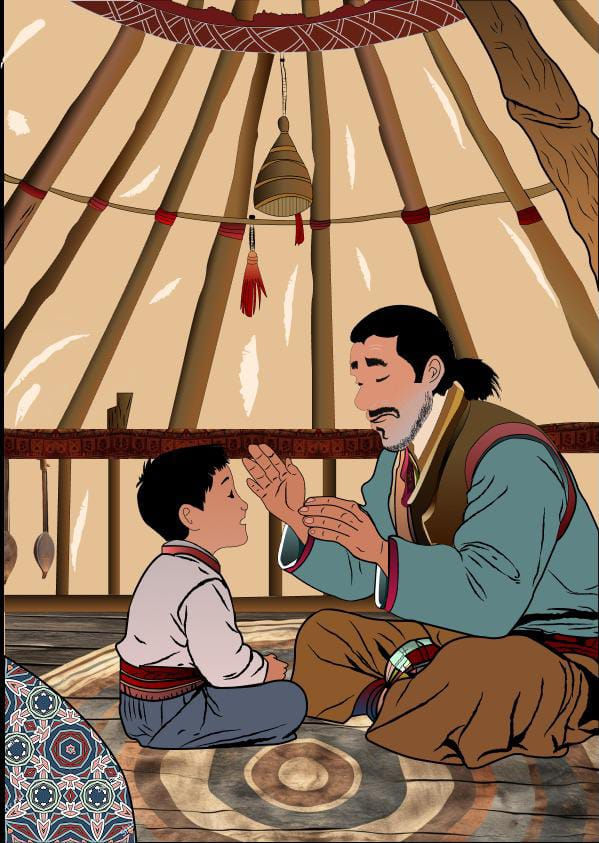
Mornings once felt lively, the fire crackling as Dad hummed, folding the saddle blanket. Our giggles rose with the steam of Mom’s süütei tsai, warming the space beneath felt. Now, there’s a time in the morning when everything pauses, not out of peace but fear. The fire doesn’t crackle. The felt hangs damp from last night’s snowmelt. And the khöömei… It’s gone. No hum. No echo. No thread tying us to the sky.
When I first learned to throat sing, my voice cracked like a split bone. “Again,” my father said. “The wind must not carry lies.” Khöömei, he taught me, was never for men; it was to honor Tengri— spirit of the endless sky, to answer mountains and soothe spirits. I remember those words. But I don’t feel the same about his voice anymore. Or the wind. Once, we trusted it to carry grief. Now, it whispers to men who do not listen. It’s not wolves we fear; it’s the shadows of state uniforms.
I used to think silence was the end of fear. That if you made no sound, you became invisible. I was wrong. Silence… isn’t protection. It's a tomb you build around yourself, hoping the world will forget that you are inside. And fear... it doesn’t end. It settles in your bones. I haven’t sung in months, not even in my sleep, not since Bayar. He sang a single verse by the well. That night, the hoofbeats came. By morning, his mare wandered the valley. His tongue was left on the altar stone. A lesson, they said. But what lesson do you teach a man who no longer has a voice? Even now, when I try to breathe, something inside me whispers: ‘Shut it. Hide it. Kill it before they do.’
I grieve my father’s breath, which once coursed through me. I grieve the sound of my son’s first cry, which I echoed in song. I grieve the hooves that used to drum the earth in spring. Even the mountains echo back a thinner silence now as if rehearsing how to forget us.
(He leans forward, eyes fixed on the hearth. The last embers pulse like old blood. His face is still, but there’s tension in his jaw, a quiet war beneath the skin.)
I have never been a man of rage. Not when the neighbors starved. Not when the storms took half our herd. But lately, something in me burns without smoke. I feel it when they speak of us: “backward,” they say, “superstitious primitives, humming to the wind.” They forget we sang before words ever stood still and whispered to mountains while they still learned to build walls.
They came for the stories first — the long, spiraling epics that outlived bloodlines. Passed from mouth to mouth, ember to palm, heart to heart. “Too dangerous,” they said. “Too many spirits.” Then they came for our drums — the shaman’s heartbeat, the rhythm that opened the skin between worlds. I remember the night they burned them. Deer hide, cracking in the fire like bone. It wasn’t surrender, I heard, but weeping.
Everything they fear, they destroy. Everything they don’t understand, they call a threat. They think breaking the singer silences the earth. They think a wolf becomes tame if you burn its shadow. But what of mine? Was it arrogance to believe my voice could outlive paper, borders, and bullets? My father said, “You have a gift. It will keep you alive.” He was wrong. It wasn’t a gift. It was a scent, a trace, the sound dogs follow in the dark.
And yet, I held on, even as my wife begged me to bury the doshpuluur, even as the names of the dead crept up our walls like frost. I called it honor, thinking it would hold us in time, but perhaps some things rot faster in the hand than in the earth.
The herders say, “If the load is too heavy, leave it. If the yurt leaks, take it down. Everything must be light enough to leave.” But I have not been light. I’ve clung to my name like frost to stone, carried my father’s teachings like salt pressed into skin. And now, they’ve made me mortal again.
“If you cannot let go, the wind will let go of you,” the old shaman once told me when I was still young and proud. I think I understand him now. We were not meant to be still or to plant roots too deep to pull. Even grief must be folded and tied, ready to travel.
(He is seated, cross-legged now. A final warmth from the hearth reaches only halfway across the floor. There’s something about the stillness - not peace, but a balance struck.)
I hear it, not loud, just enough. Like a memory stepping into the present. The wind shifts, not cold, not warm, simply there. Then, the brittle crunch of snow beneath boots. Then stillness again, as if even the frost holds its breath. It’s not fear I feel. Not now. It’s the weight of everything I’ve already let go. The yurt doesn’t creak. The felt doesn’t stir. But something in the air has changed, the way the body knows before the eyes do. They’re here. My breath is shallow. Not dread, just habit. As if my lungs, like me, have learned when to speak and when to be still.
(A hand on the latch. The flap rustles, not forced, but like breath against the felt. The fire has died. He no longer waits for its warmth.)
They step in. I don’t look at their faces. I look at the Töönö, the roof ring framed by the sky. Tengri’s eyes are open and blank. No screams. No pleas. My wife has gone to her sister’s yurt. Only I remain. I do not speak. There is nothing left to preserve with sound. Even silence, when chosen, becomes sacred.
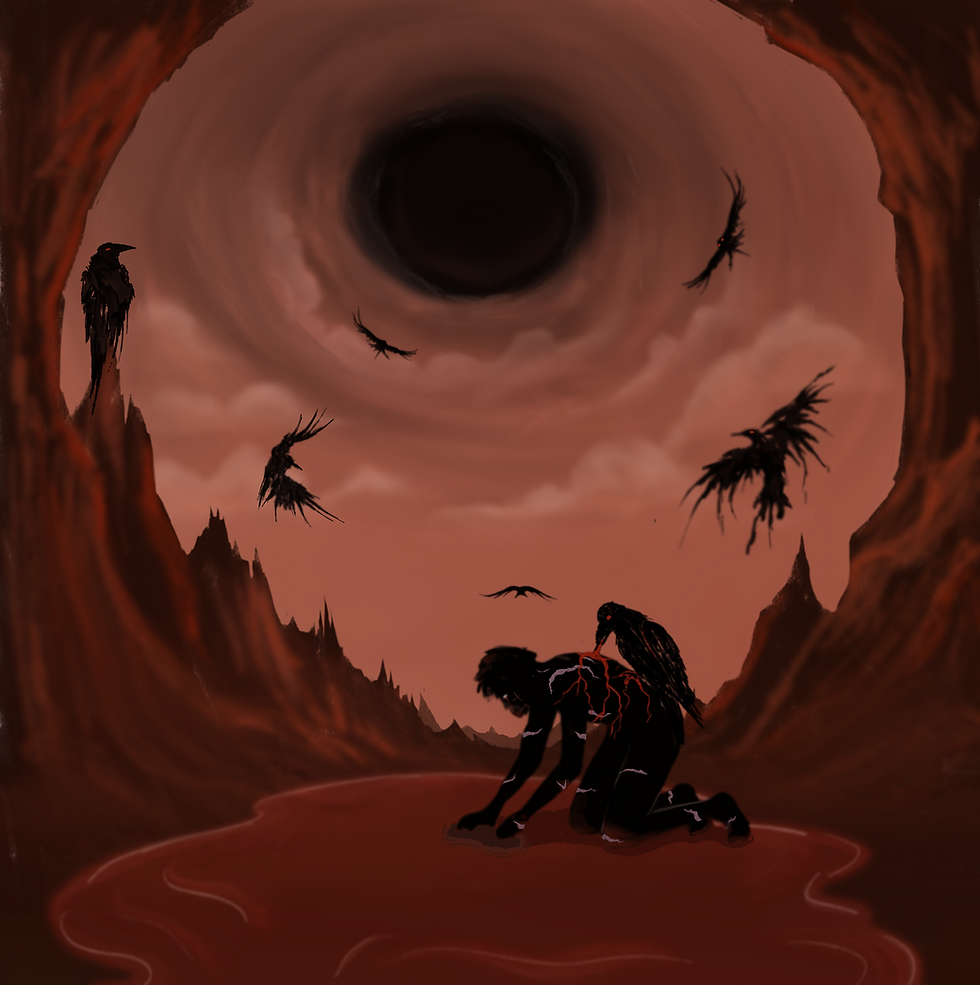
Even as shadows circle like wolves in fog, I do not cower. I have offered no shame to fire or sky. I breathe in. Not a song. Not a prayer. Just breath — steady, unbroken. Then I let go. And the wind carries it, all of it, across the steppe.


Comments